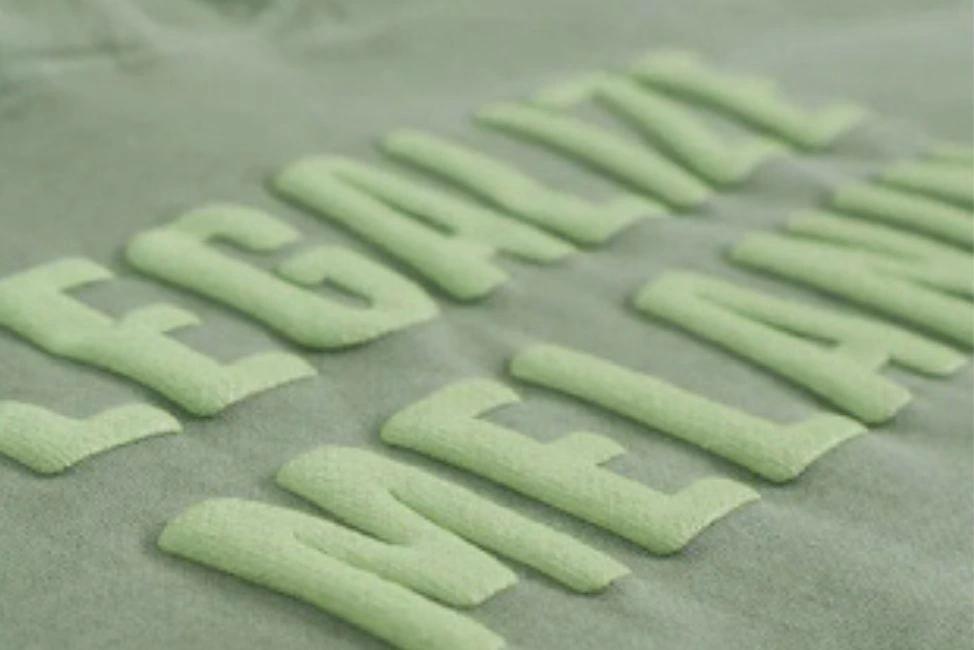
Custom Puff Print: How This Screen Printing Method Works
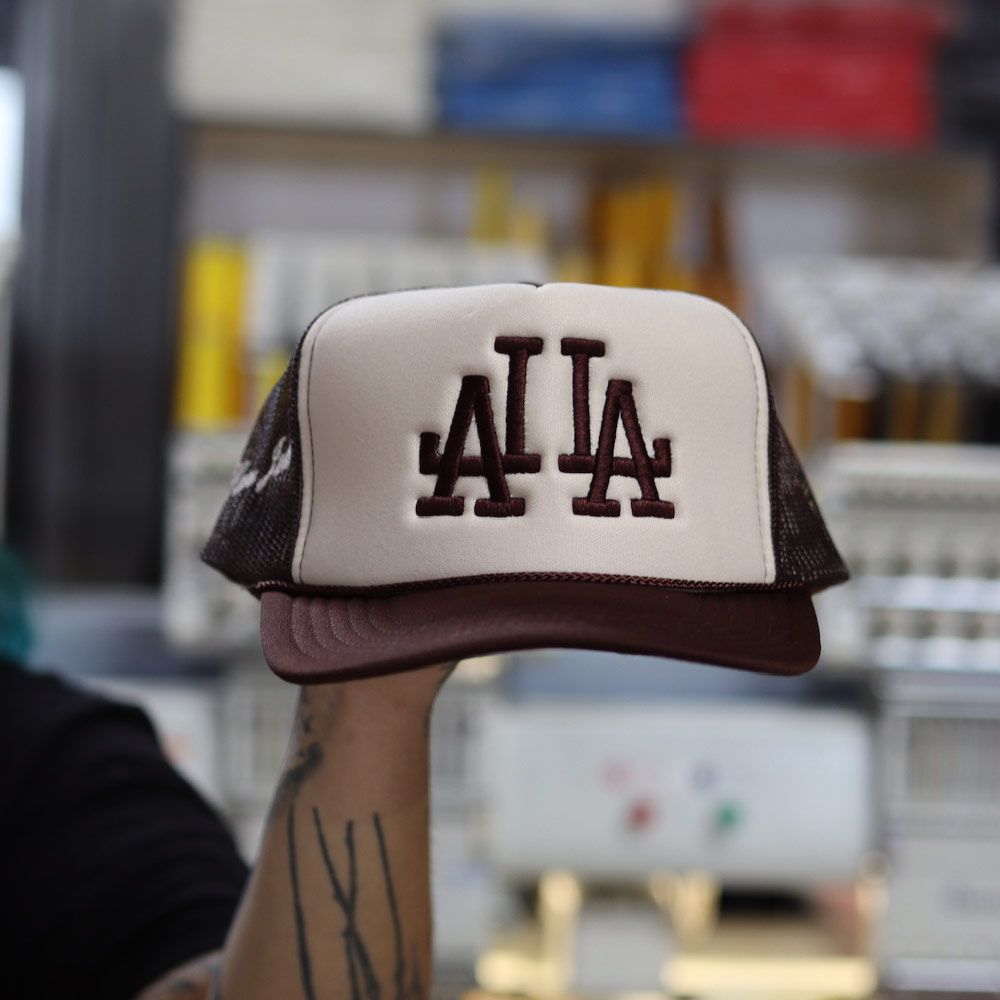
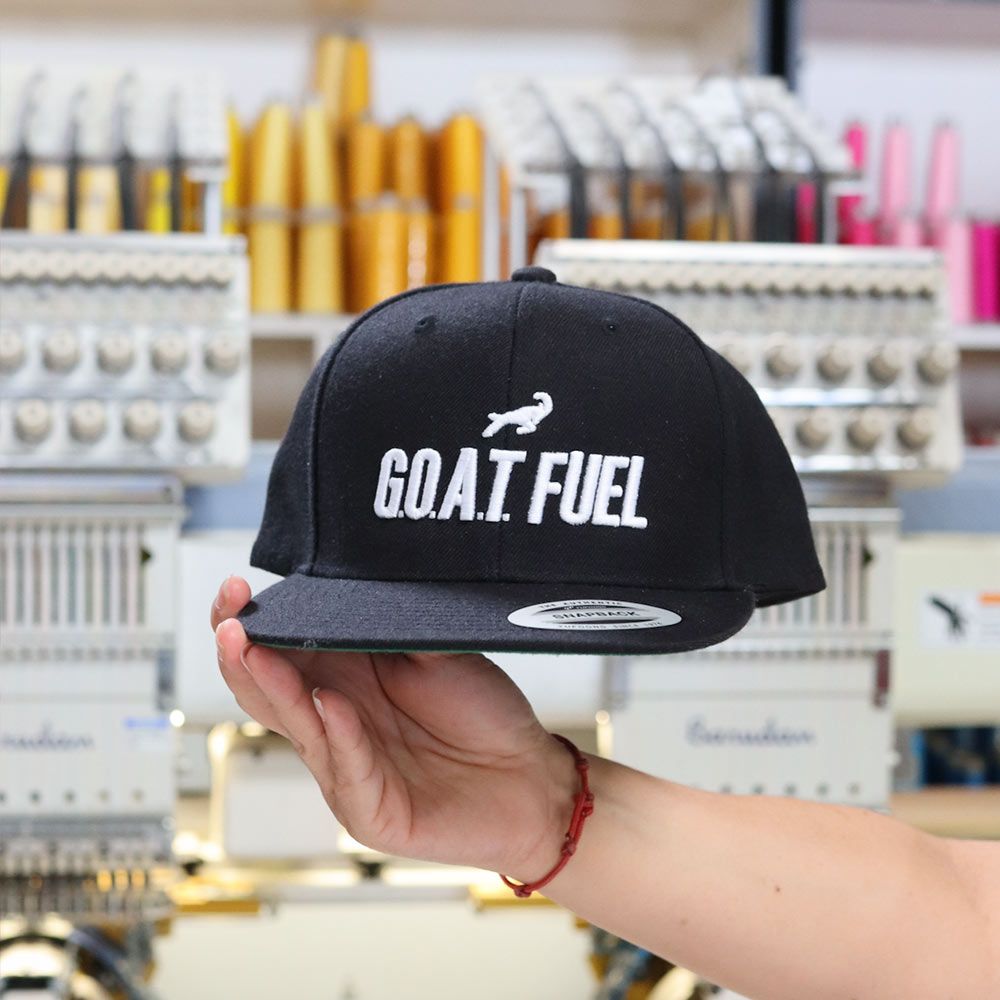
If you've ever picked up a garment and noticed the logo had a raised, almost foam-like texture that pops off the fabric, that's puff screen printing. It's one of the most distinctive techniques in custom apparel decoration, and when it's done right, it takes a design from flat to something that genuinely feels premium. Here's how it works, what it works best on, and why more brands are choosing it.
How Does Custom Puff Print Work?
Puff screen printing starts the same way standard screen printing does, with ink pressed through a mesh screen onto the garment. The difference is in the ink itself.
Puff ink is plastisol mixed with a foaming agent. On its own, it prints flat. But when the garment passes through a conveyor dryer at high heat, the foaming agent activates and the ink expands, rising off the fabric and creating a soft, three-dimensional surface. The result is a raised print with real physical depth, typically reaching around 0.4–0.5mm above the garment.
Once cured, the puff effect is permanent. It holds its shape through repeated washing and wearing without collapsing or cracking, provided the ink was applied correctly and fully heat-cured during production.
The process requires some specific prep work to execute cleanly: artwork needs to be optimized for the expansion (designs that work flat don't always translate well to puff), ink ratios need to be precise, and the screen mesh count has to be matched for the right ink deposit. Skip any of these steps and the result is uneven puffing, inconsistent texture, or designs that look bloated rather than intentional.
What Works Great with Puff?
Puff printing rewards bold, clean artwork. The expansion that creates the 3D effect is also what causes problems for designs with too much fine detail, thin lines can blur, small text can become illegible, and gradients don't translate at all.
The designs that work best are:
- Bold typography and wordmarks
large lettering is where puff printing looks its best. The raised texture makes text feel tactile and intentional. - Simple logos with clean shapes
solid fills and strong outlines hold up perfectly through the puff process. - Solid filled areas
anywhere the ink has consistent coverage, the puff effect reads evenly and cleanly. - Single or limited color designs
fewer colors means tighter control over the print, and puff works best when it's the visual centerpiece rather than one element among many.
Cotton and cotton-blend garments are the ideal substrate. Full polyester fabrics aren't well-suited for puff, the ink doesn't bond the same way, and the expansion can look inconsistent.
Why Choose Puff Screen Printing?
The short answer: it makes a garment feel like a product rather than a commodity.
Regular screen printing is flat. It looks great, it's durable, and it's the right choice for most projects. But puff adds a dimension, literally that changes how a piece feels in the hand and reads on the rack. For streetwear brands, fashion labels, and merch lines where perceived quality matters, that difference is real.
A few reasons brands choose it: the raised texture catches light differently, giving designs a presence that flat ink can't replicate. It's also soft against the skin, not rigid or plasticky despite the raised profile. And it's durable, holding its shape wash after wash when properly cured.
Puff also pairs well with other techniques. A standard screen printed graphic combined with a puff logo hit creates contrast and hierarchy, a simple way to elevate a design without overcomplicating it.
Ready to Try It?
We offer custom puff screen printing starting at 50 pieces, with tiered pricing that scales with volume. Our team will review your artwork and flag anything that needs to be adjusted before production, so what you approve in the proof is what you get on the garment.
Get a quote and hear back within two hours.