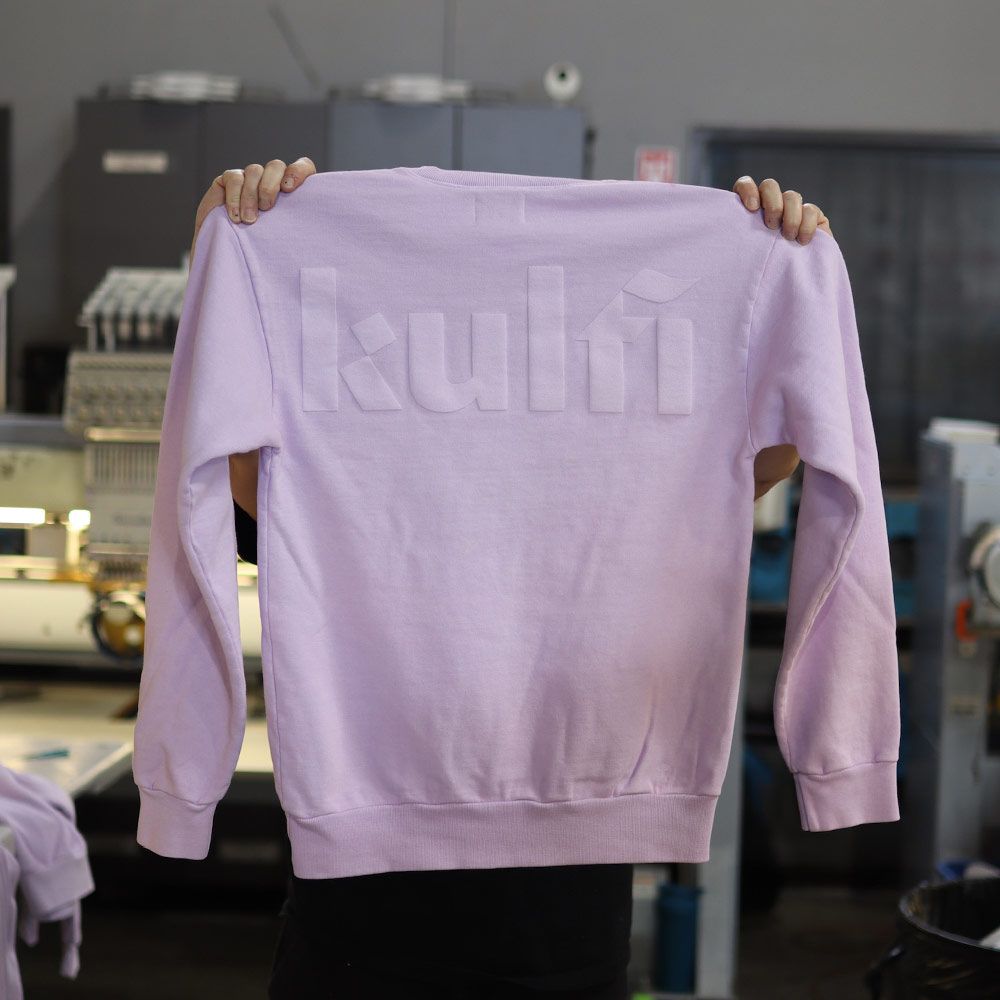
How To Create Your Own Puff Print Hoodie Using Screen Printing
Puff printing is one of the most eye-catching techniques in custom apparel. It creates a raised, three-dimensional effect on fabric that adds texture and depth to any design. When applied to hoodies, puff printing transforms a simple garment into a premium, streetwear-quality piece that stands out from flat prints. Whether you're building a brand or creating custom merchandise, understanding the puff printing process will help you get the best results from your screen printer.
Puff Printing Process
The puff printing process uses a special additive mixed into plastisol ink that expands when exposed to heat. Here's how each step works:
1. Design Preparation
Start with a bold, clean design. Puff printing works best with thick lines, large text, and solid shapes. Fine details and thin lines tend to get lost in the raised texture, so simplify your artwork for maximum impact. Vector files in AI or EPS format are ideal. Keep your color count manageable — single-color puff prints often look the most striking and professional. Your design should be at least 2-3 points thick on all lines to ensure the puff effect is visible and consistent.
2. Screen Setup
A screen is prepared with a mesh count appropriate for puff ink — typically a lower mesh count (around 60-86 mesh) to allow a thicker ink deposit. The design is burned onto the screen using photo emulsion, creating a stencil through which the puff ink will be pushed. Proper screen tension and emulsion thickness are critical to achieving an even ink deposit across the entire design.
3. Printing Application
The hoodie is loaded onto the press and the screen is aligned over the print area. Puff ink is applied through the screen using a squeegee with firm, even pressure. The key is to lay down a thick, consistent layer of ink — if the deposit is too thin, the puff effect will be uneven or minimal. Most printers use a single pass with heavy pressure or a print-flash-print technique for extra height.
4. Curing Process
This is where the magic happens. The printed hoodie passes through a conveyor dryer at approximately 320-330°F (160-165°C). As the puff ink reaches curing temperature, the foaming agent in the ink activates and expands, creating the raised, puffy texture. The temperature must be precise — too low and the ink won't puff properly, too high and it can over-expand and crack. Curing typically takes 60-90 seconds depending on the dryer setup.
5. Cooling and Inspection
After curing, the hoodie is removed from the dryer and allowed to cool completely. During cooling, the puff ink sets into its final raised shape. Each piece is inspected for consistent puff height, even coverage, and proper adhesion to the fabric. Any pieces that show uneven puffing, cracking, or thin spots are flagged for reprinting.
Extra Tips and Tricks
Keep these tips in mind to get the best results from your puff print hoodies:
- Apply an even ink thickness across the entire design. Inconsistent deposits lead to patchy puffing where some areas are raised and others are flat.
- Be aware that colors may shift slightly when the ink puffs up. The expansion can lighten the color somewhat, so test your ink color beforehand and adjust if needed.
- Stick with bold, chunky designs. Thin lines, small text, and intricate details don't translate well to puff printing. The raised texture naturally softens edges, so bigger and bolder is always better.
- Choose heavier fabrics for the best results. Heavyweight hoodies (10 oz and above) provide a stable base for puff ink adhesion and create a more premium finished product. Lightweight or loosely woven fabrics may warp under the weight of the raised ink.
Common Mistakes to Avoid
Avoid these common pitfalls when creating puff print hoodies:
- Using the wrong fabric — synthetic blends and lightweight materials don't hold puff ink well and can cause poor adhesion, cracking, or melting. Stick with cotton or cotton-dominant blends in heavier weights.
- Overcuring the ink — excessive heat or time in the dryer causes the puff to over-expand, resulting in a rough, cracked texture instead of a smooth, rounded finish. Monitor dryer temperature carefully.
- Applying ink too thin — a thin ink deposit won't create enough volume for a noticeable puff effect. Use proper squeegee pressure and consider a print-flash-print approach for maximum height.
Ready to create your own puff print hoodies? At Garment Decor, we specialize in premium puff screen printing that delivers bold, raised designs on heavyweight blanks. Let us bring your designs to life with the quality and consistency your brand deserves.