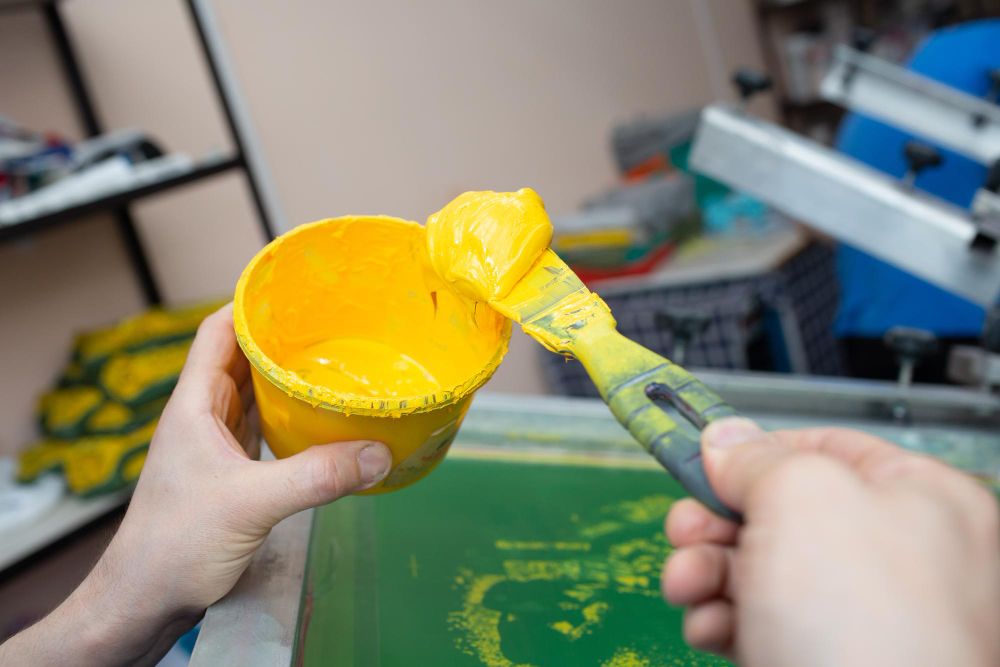
What Sets a Professional Screen Printing Service Apart From a Basic Print Shop
Not all screen printing services are operating at the same level. The gap between a professional operation and a basic print shop isn't always visible in the quote — but it shows up in the finished product, the turnaround reliability, and what happens when something needs to be resolved before the order ships.
If you're evaluating screen printing services and trying to figure out which ones are worth working with, here's what actually separates the professional tier from everyone else.
In-House Production vs. Outsourcing
The most fundamental distinction is whether a shop actually prints in-house or routes your order through a third party.
Basic print shops often operate as brokers. They take your order, mark it up, and send the work to a contract printer. The finished product comes back, gets repackaged, and ships to you as if it were produced in-house. You have no visibility into who actually ran the press, what equipment was used, or what quality standards were applied.
A professional screen printing service runs its own presses. That means direct accountability for the output, the ability to catch and correct problems during production rather than after delivery, and turnaround times that reflect real production capacity — not the schedule of a third-party shop the broker has no control over.
When you ask a shop what presses they run and they can give you a specific answer — M&R Challenger, Anatol, ROQ — you're talking to a production operation. When the answer is vague, treat that as a signal.
Equipment and Technical Range
Professional screen printing isn't one technique. It's a family of methods, each requiring specific equipment, setup expertise, and production experience to execute correctly.
- Spot color printing is the baseline — every competent shop runs this. It's where quality evaluation starts, not ends.
- Simulated process printing uses halftone dot patterns to reproduce gradients, photorealistic imagery, and multi-tone color from a limited ink set. It requires genuine technical skill in film output, screen exposure, and ink layering. Shops that run it regularly produce clean, accurate results. Shops that run it occasionally produce muddy ones.
- Jumbo (oversized) printing requires larger screens and a longer press stroke, with precise registration across a print area that can extend to 16–18 inches wide. Not all presses can run jumbo, and not all operators have experience setting up large-format registration correctly.
- Puff screen printing uses a foaming agent in the ink that activates during curing, producing a raised, three-dimensional surface. The curing temperature range is narrow — under-cured puff doesn't rise; over-cured puff collapses. Getting it right across a full production run requires calibrated equipment and operators who run the technique regularly.
- Digital screen printing is a hybrid method combining a traditional underbase with a digital CMYK color layer — full-color output at production speed, without per-color setup fees. It requires specialized equipment that most shops don't have.
A professional screen printing service can speak specifically to all of these. A basic print shop typically can't.
Artwork Review and Pre-Production Process
Professional operations review artwork before production — not as a courtesy, but as a standard step in the workflow. That means checking file format and resolution, confirming color specs in Pantone rather than RGB, flagging elements that won't translate well to screen (thin lines, small text, gradients in spot-color designs), and building separation files correctly before screens are made.
Basic print shops often skip this or rush through it. The result is a print that technically matches the file submitted, but not the result the client expected — because nobody caught the issue before the screens were built.
Pre-production print samples are the other indicator. A professional shop produces a physical sample on the actual garment, in the actual ink, before running the full order. This is where color accuracy is confirmed, placement is verified, and any last adjustments happen at no cost. Shops that push back on sampling, or don't offer it at all, are optimizing for their throughput, not your outcome.
Dedicated Account Management
On any order above 50 pieces, the communication structure matters. A professional screen printing service assigns a dedicated account rep to every project — someone who knows the order, reviews the artwork, and is reachable when a question comes up or a decision needs to be made quickly.
Basic print shops often handle communication through a ticket system or a generic inbox. Questions get queued, decisions take longer, and when a problem surfaces at production, there's no single person accountable for resolving it.
The difference becomes most apparent on rush orders, complex projects, and wholesale programs where coordination across multiple SKUs, placements, and garment styles requires someone who's actively managing the order rather than just processing it.
Why Garment Decor Is Built for This
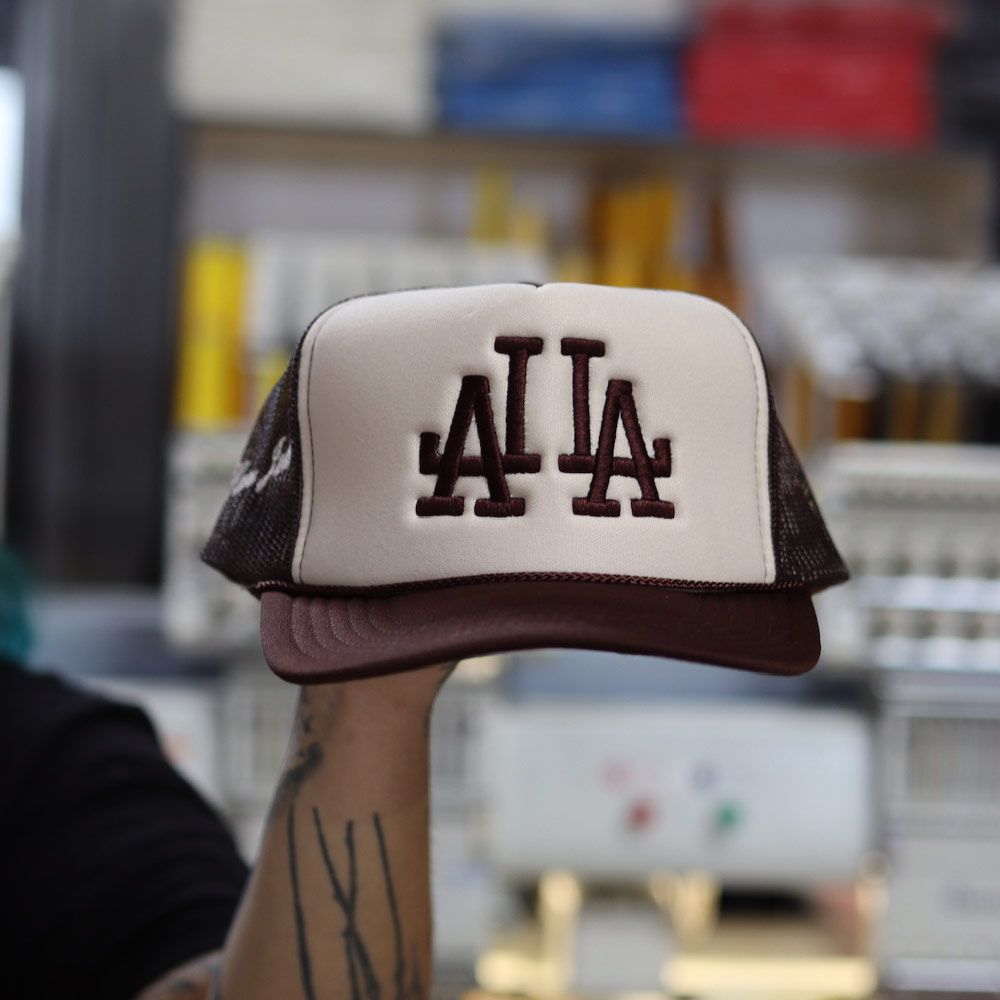
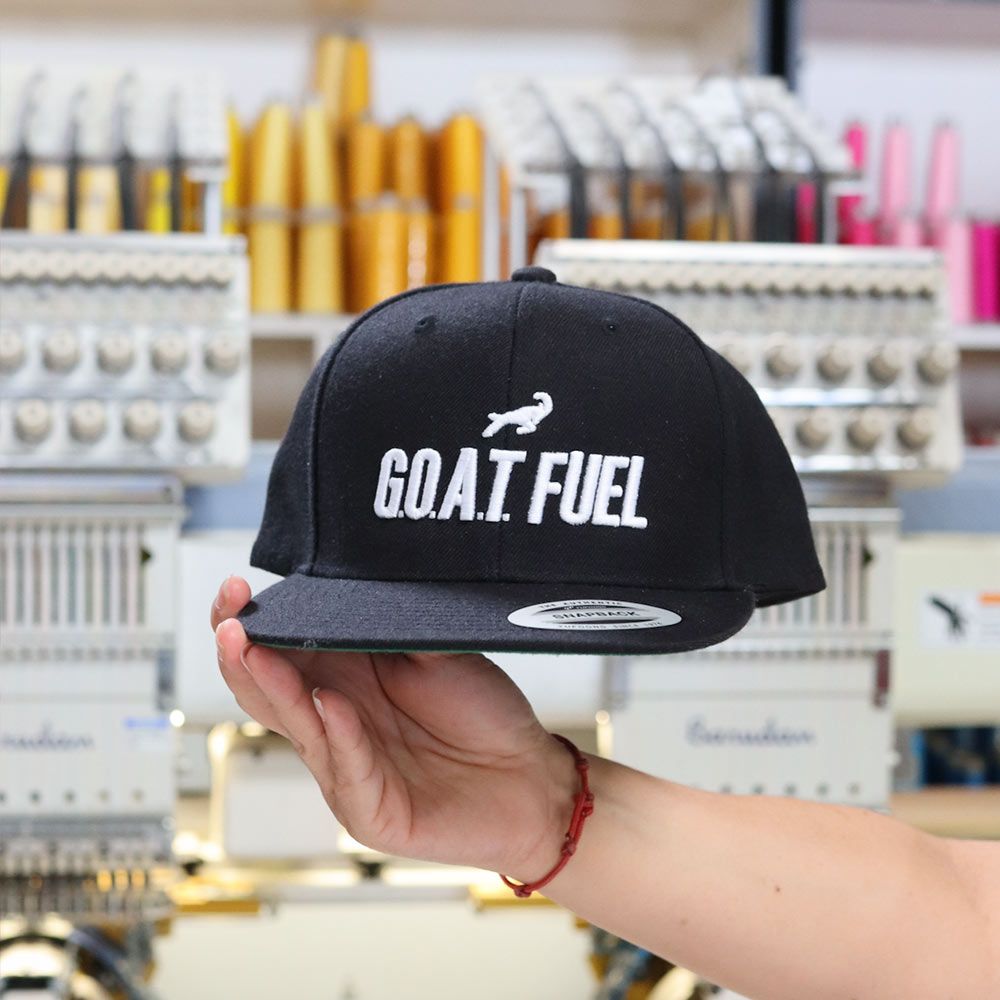
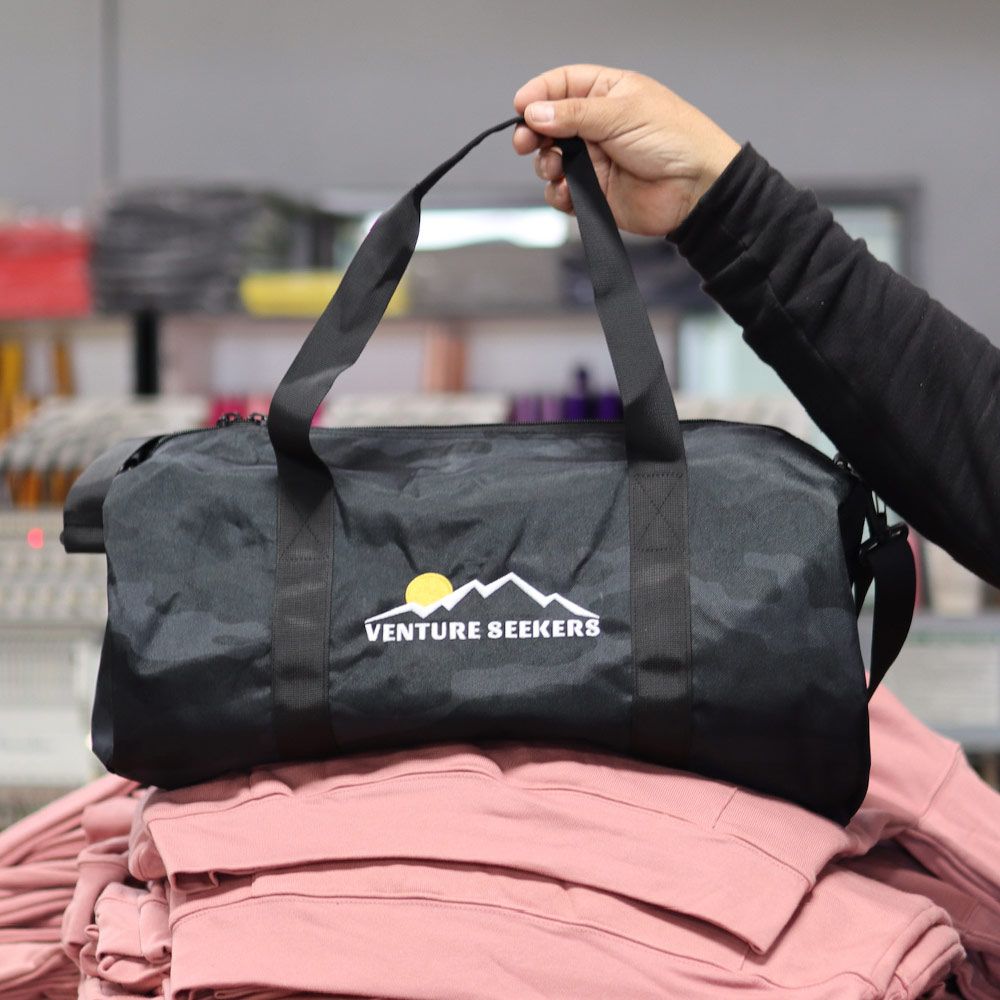
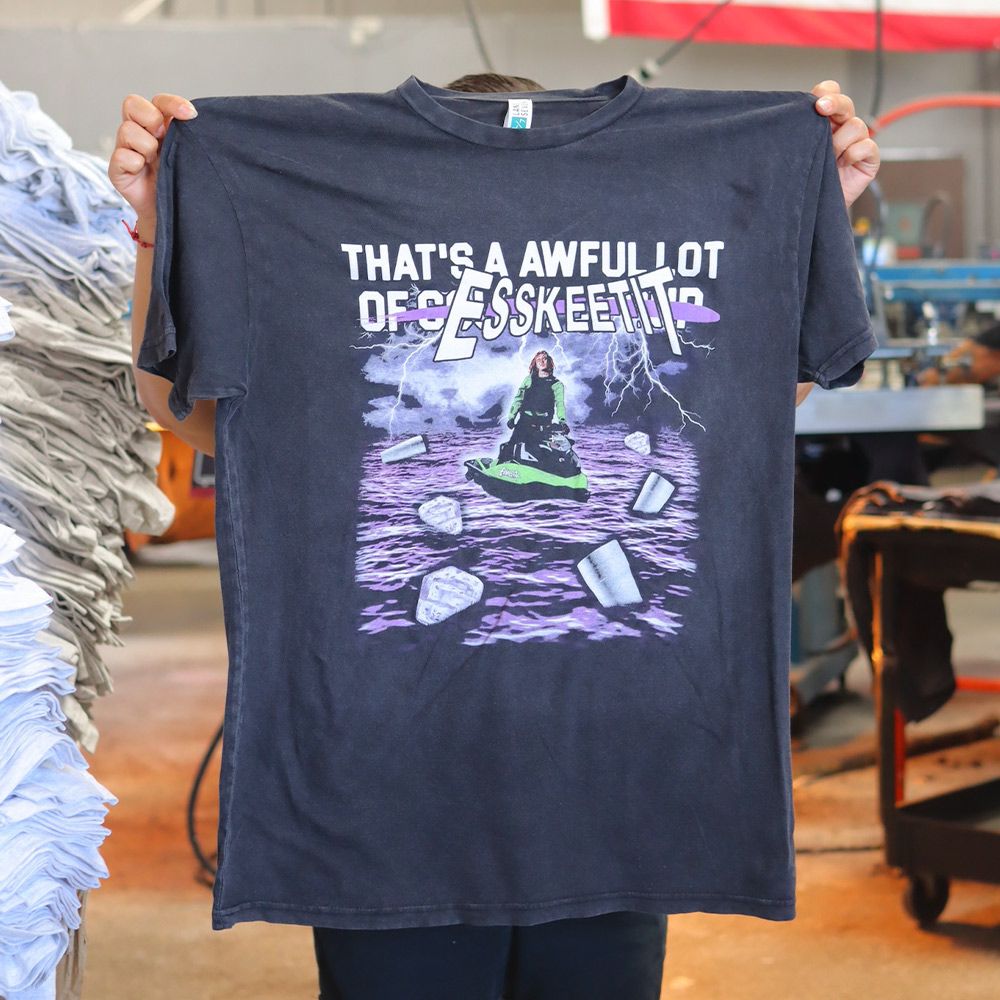
Garment Decor operates a full in-house production facility in Montclair, CA, running M&R Challenger automatic presses across spot color, simulated process, jumbo, puff, and digital screen printing. Every order gets a dedicated account rep, a pre-production sample, and artwork review before screens are built.
Starting at 50 pieces, with tiered pricing through 1,000 and rush production available in 2–4 business days.
Request a quote and hear back within two hours, or learn more about our screen printing service.