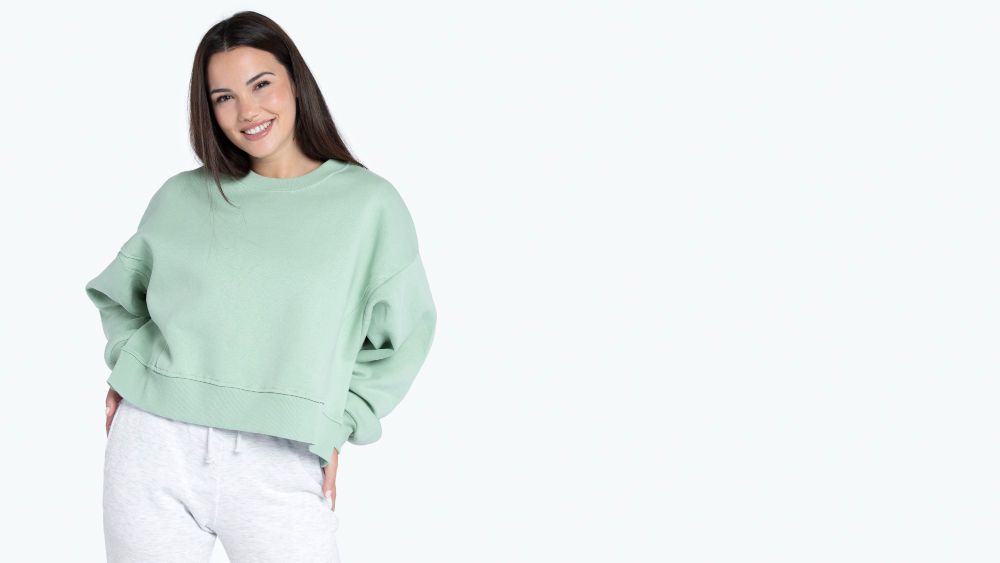
How to Get a Clean Print on a Sweatshirt: Blank Choice, Technique, and Placement
Sweatshirts are one of the most popular blanks for custom decoration — and one of the most commonly underestimated. The fleece construction, the weight, and the surface texture all affect how decoration behaves. What looks clean on a jersey-knit tee can look soft, inconsistent, or just wrong on the wrong sweatshirt blank with the wrong technique.
Getting it right comes down to three decisions: the blank, the decoration method, and the placement. Here's how to make each one correctly.
Choosing the Right Blank
The blank is the foundation. Decoration applied to a poorly chosen sweatshirt will underperform regardless of the technique or the quality of the shop running it.
Gildan 18000 Heavy Blend Crewneck
The Gildan 18000 is the industry workhorse for custom sweatshirt programs. The 50/50 cotton-poly blend is dimensionally stable — it holds its shape through repeated washing, resists pilling, and provides a consistent surface for decoration. It's the blank behind most high-volume corporate programs, team apparel, and event sweatshirts for good reason: it's affordable, available in a wide range of colors, and predictable in production. Screen printing and embroidery both perform cleanly on it.
Independent Trading Co. SS3000 Midweight Crewneck
The SS3000 is the step up — a midweight crewneck with noticeably softer construction and a more retail-forward profile. It's the blank that brands reaching for a premium product positioning keep coming back to: better drape, softer hand feel, tighter knit construction. For embroidery specifically, the tighter knit is an advantage — it gives the needle a more stable surface than a looser fleece, which translates to cleaner stitch registration and a finished logo that sits flatter and more precisely on the garment.
View the Independent Trading Co. SS3000 →
Decoration Methods — and Which One to Reach For First
Embroidery — Best Option for Sweatshirts
For sweatshirts specifically, embroidery is the decoration method that holds up best and looks most premium over the life of the garment. Here's why.
Sweatshirts are structured. The fleece construction has enough body and weight to support thread stitched directly into the fabric without distorting the garment. That structure is exactly what embroidery needs — a stable surface that holds the design in place under the pressure and vibration of the needle. On a heavyweight fleece like the Gildan 18000 or the SS3000, embroidery sits cleanly, holds its registration accurately, and maintains its appearance through years of wear and washing.
The durability case is equally strong. An embroidered logo on a quality sweatshirt doesn't fade, crack, or peel. Thread bonded into the fabric moves with the garment rather than against it — which means the decoration survives the same conditions the sweatshirt does. For branded corporate apparel, team programs, and any sweatshirt that will see regular use, embroidery is the choice that holds its value over time.
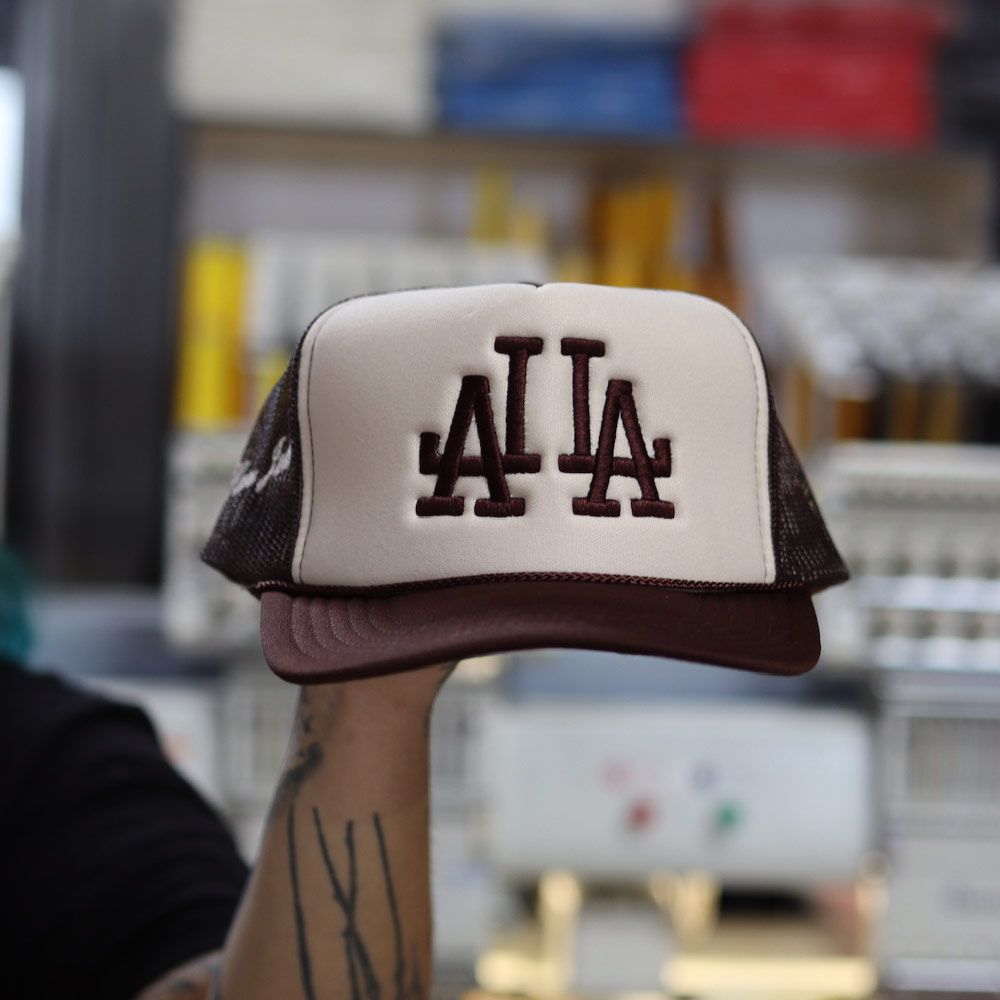
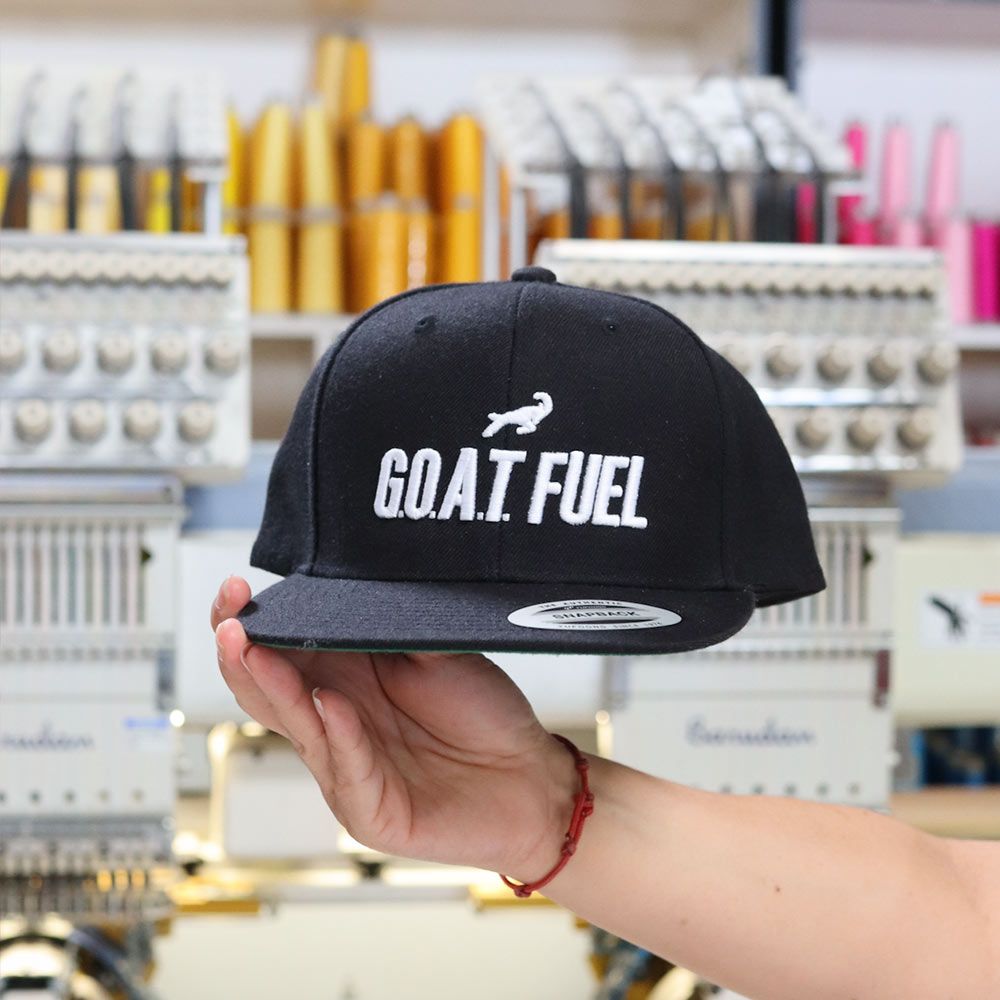
Both flat embroidery and 3D puff embroidery are available. Flat is the cleaner, more versatile option for most logos and wordmarks. 3D puff adds a raised, dimensional effect that works well on bold, thick letterforms — popular for streetwear-adjacent brands and fashion-forward programs.
We run commercial-grade multi-head Barudan machines with Madeira Polyneon thread, starting at 50 pieces.
Screen Printing — Bold, Graphic, Cost-Effective at Volume
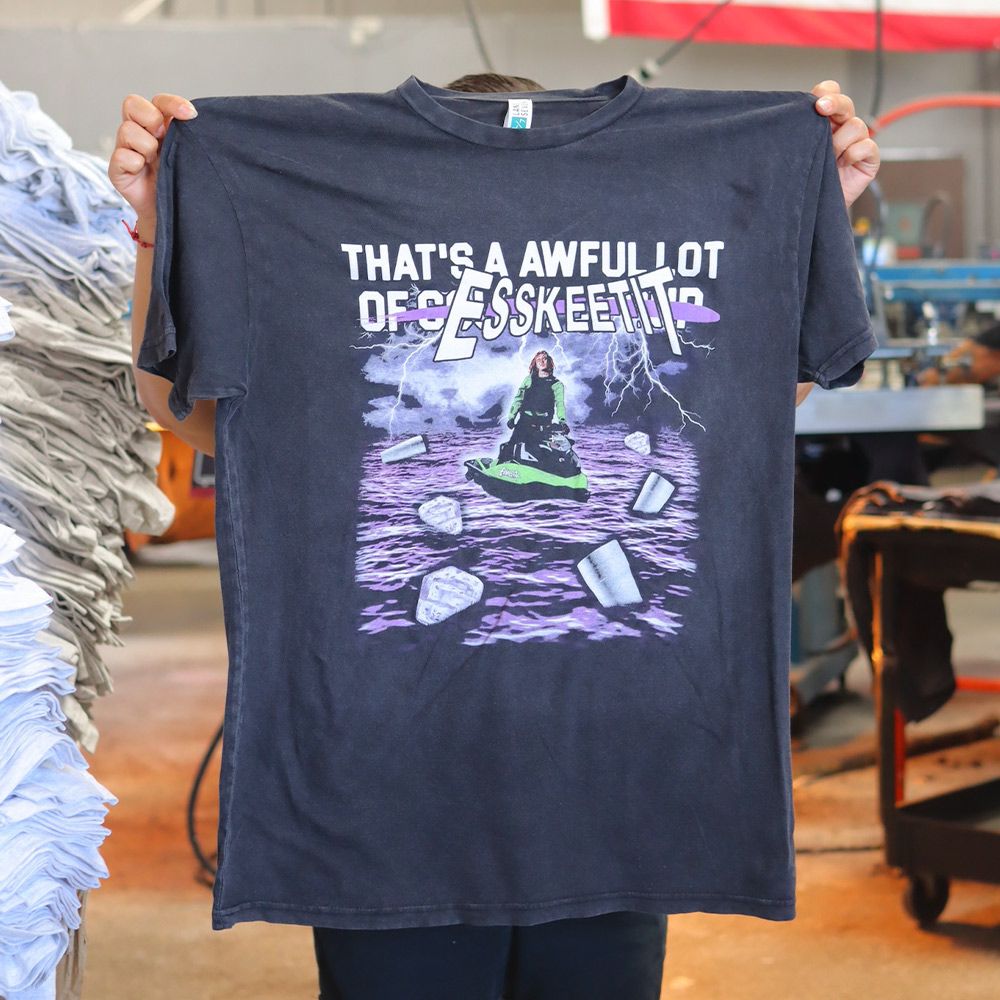
Screen printing is the right call when the design is graphic-forward — a large chest print, a full back illustration, or any artwork that benefits from scale and color impact. On sweatshirt fleece, screen printing requires adjusted ink deposit and curing parameters compared to T-shirt fabric — the heavier pile needs more ink to achieve full coverage and more heat to cure completely. When set up correctly on a quality blank, the result is vibrant and durable.
Spot color, simulated process, jumbo, and puff screen printing are all available for sweatshirts. For designs with gradients or complex color, simulated process delivers multi-tone results at volume pricing. For fashion-forward brands that want a raised, tactile graphic, puff screen printing on a fleece crewneck is a strong combination.
View our screen printing service →
Digital Screen Printing — Full Color at Scale
For artwork that requires unlimited colors or photorealistic detail at 50+ pieces, digital screen printing combines a white underbase screen with a CMYK digital color layer — producing photo-quality output without per-color setup fees, at speeds up to 400 garments per hour. It works on cotton and cotton-blend sweatshirts and produces a soft, water-based finish.
View our digital screen printing service →
Puff Screen Printing — Dimensional and Streetwear-Forward
Puff ink mixed with a foaming agent rises during curing, creating a raised, tactile graphic that catches light and reads as premium. On sweatshirts and hoodies, it's one of the most popular choices for streetwear brands and lifestyle-forward merch lines. Bold text and thick shapes work best — fine detail blurs during expansion.
View our puff screen printing service →
Placement on Sweatshirts
The most common placements: left chest (3.5 to 4.0 inches wide), center chest (up to 12 to 14 inches wide), and full back (up to 12 inches wide). For embroidery on the left chest, the typical logo runs 3.5 to 4.0 inches — the standard for polo and corporate programs. Sleeve embroidery and back-of-neck placements are possible but require specialized hooping and typically carry an additional charge.
For screen printing, placement is standard across most automatic press setups. Jumbo prints that extend toward the hem or sides require a press with the capacity and screen size to handle the extended area — confirm this with the shop before finalizing the design.
Ready to Start?
At Garment Decor, we handle sweatshirt embroidery and screen printing starting at 50 pieces, with a dedicated account rep on every order and a pre-production sample before the full run begins.
Request a quote and hear back within two hours.