Custom Embroidery vs. Other Decoration Methods: Which One Fits Your Project?
When people talk about garment decoration with dimension, something that jumps off the fabric rather than sitting flat, two techniques come up more than anything else: custom embroidery and puff screen printing. Both create a raised, tactile effect. Both look premium. Both are popular with brands that care about how their product feels in the hand, not just how it looks in a photo.
But they're not interchangeable. The method that's right for your project depends on your design, your garment, your budget, and what "premium" actually means to your customer. Here's how to think through the choice.
What Custom Embroidery Actually Is
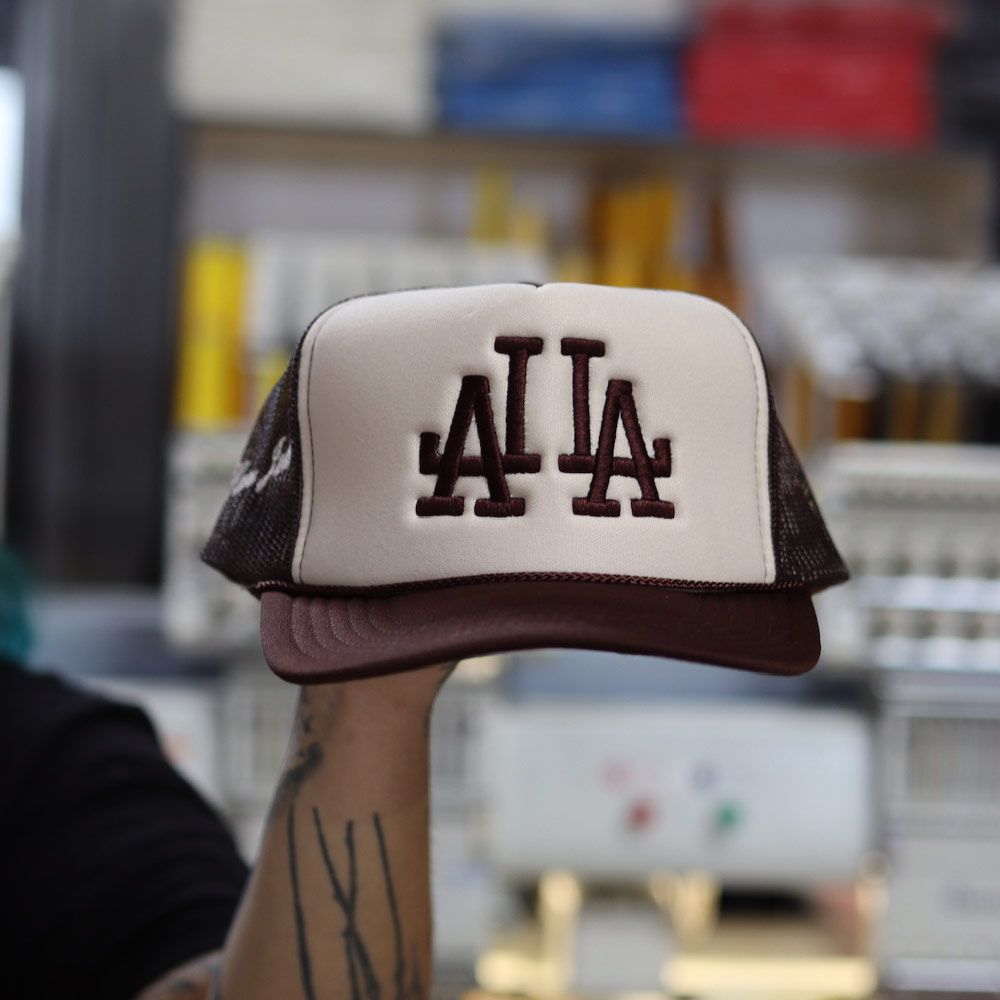
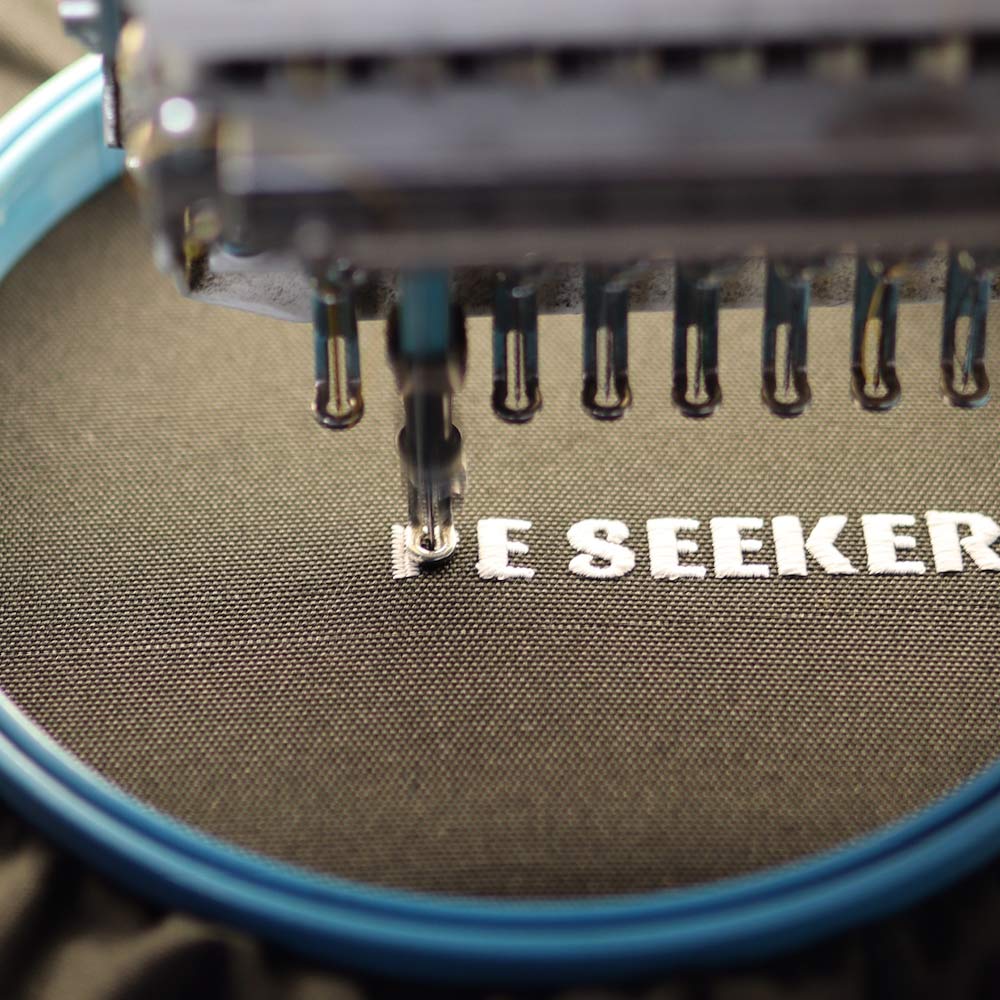
Embroidery is thread stitched directly into the fabric by machine. The design is first converted into a digitized file, a precise map of every stitch, its direction, color, and sequence, and then a commercial embroidery machine executes it stitch by stitch into the garment itself.
The result is permanent in a way that ink simply isn't. The decoration becomes part of the fabric. It doesn't fade, crack, or peel. It holds its structure wash after wash, year after year. And it carries a visual weight, a texture and depth, that signals quality in a way most buyers immediately recognize.
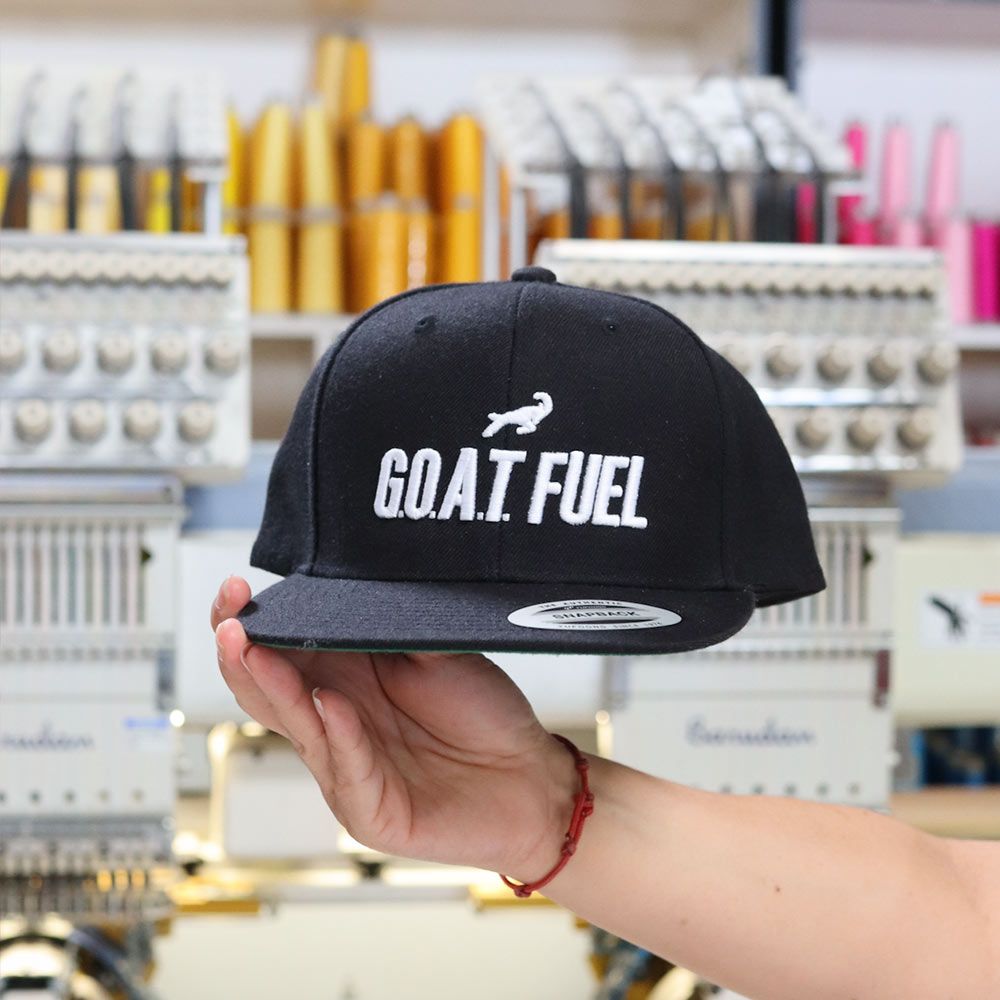
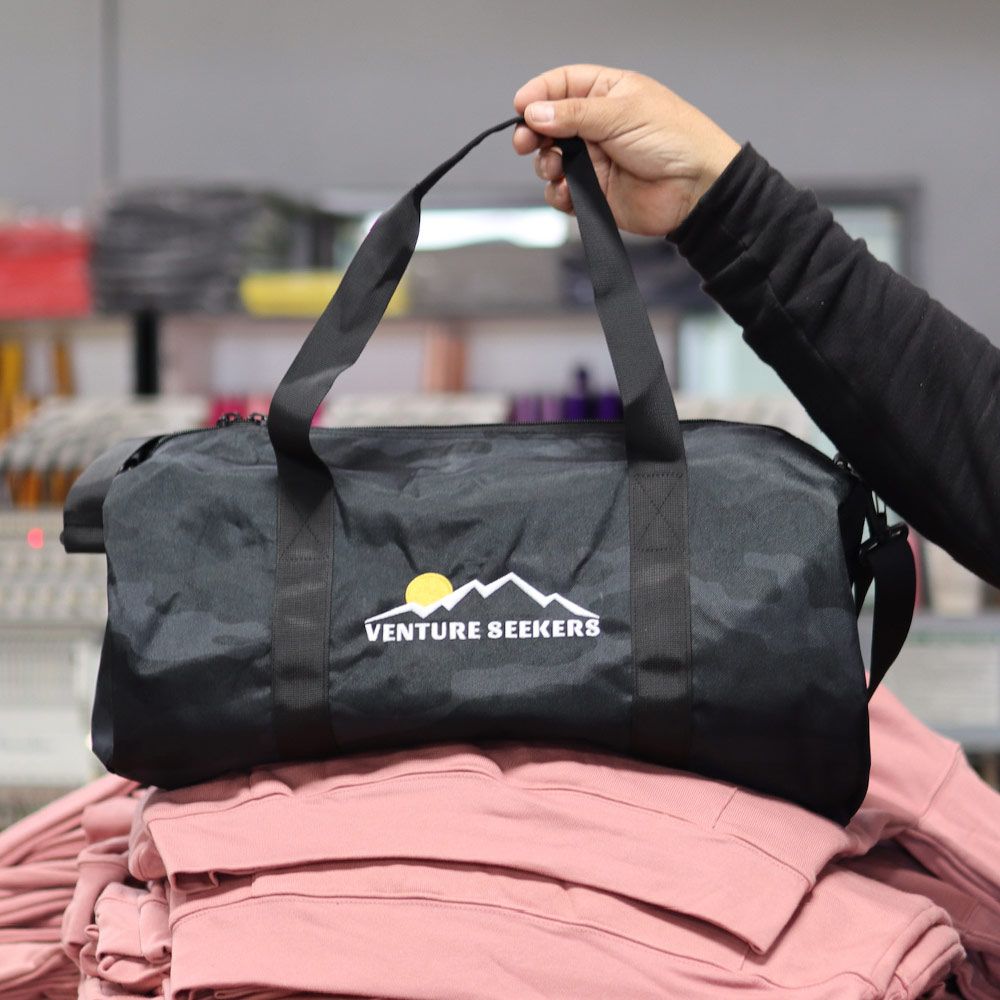
Custom embroidery works on virtually any structured garment: polo shirts, jackets, caps, beanies, fleece, corporate apparel, and uniforms. The maximum design area is 15.7" x 16.5", with the ability to handle both flat embroidery and 3D puff embroidery (more on that in a moment).
Embroidery is best for: logos, wordmarks, crests, and any design that benefits from a clean, structured finish. It performs best with defined shapes, bold lines, and text that doesn't go smaller than roughly ¼" tall. Fine details and gradients don't translate, embroidery rewards simplicity and precision.
What Puff Screen Printing Actually Is
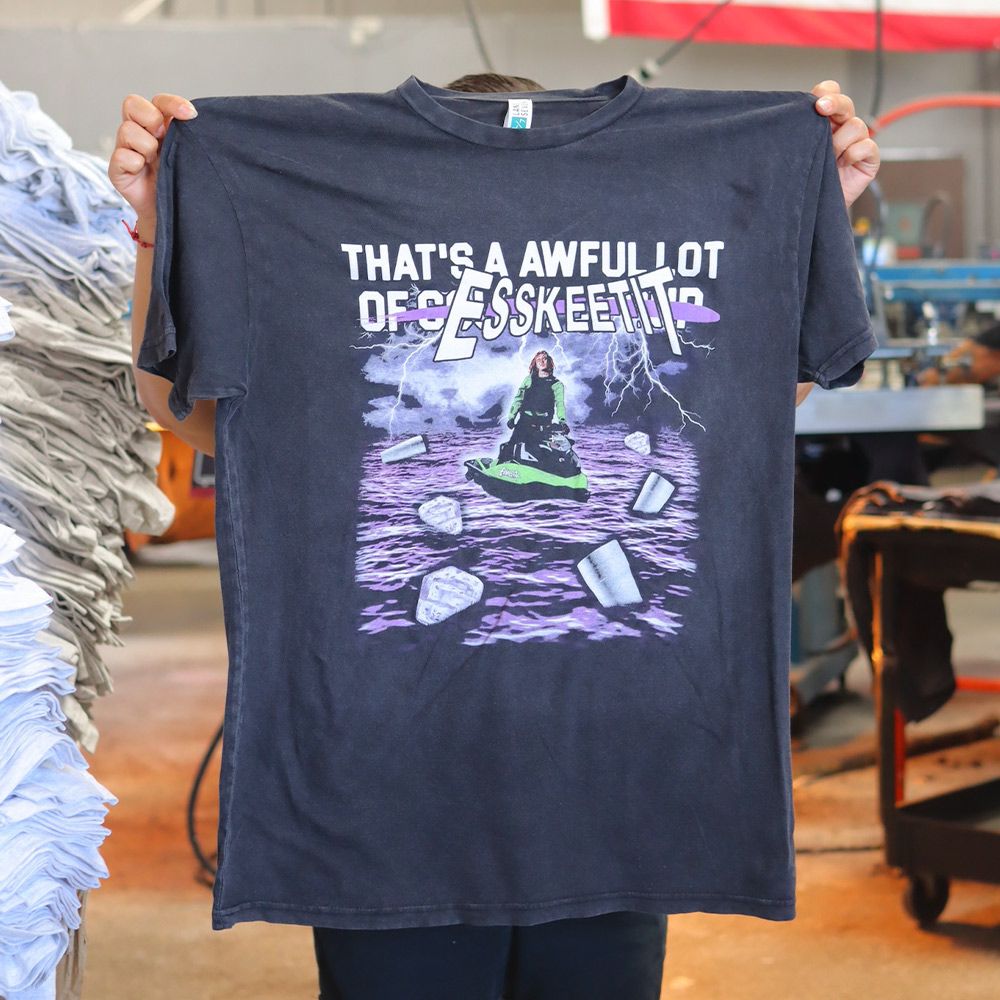
Puff screen printing starts with plastisol ink, the same base used in standard screen printing, but mixed with a foaming agent. When the garment passes through a conveyor dryer after printing, the heat activates the foam, and the ink expands off the surface of the fabric, creating a raised, three-dimensional effect.
The result is a bold, graphic look that's somewhere between a flat print and embroidery in terms of dimension. The raised surface catches light differently than flat ink and feels slightly soft and spongy under the finger, less structured than thread, but unmistakably elevated compared to standard printing.
Puff screen printing lives on T-shirts, hoodies, and other knit garments where embroidery would feel overly formal or too stiff. It's the technique behind the raised typography and graphic elements you see on streetwear drops and fashion-forward merch. Maximum print area is 14" x 16", and it works best with bold text, solid shapes, and limited color designs, fine lines and small text lose definition through the expansion process.
Puff screen printing is best for: streetwear brands, artist merch, tour apparel, and any project where the design is graphic-forward rather than logo-forward. It doesn't work well on structured outerwear or caps, and 100% polyester garments aren't well-suited for puff ink.
How to Choose Between the Two
Both methods deliver dimension. The question is what kind of dimension fits the project.
Choose custom embroidery when:
- The garment is structured, a polo, jacket, cap, or uniform
- The design is a logo, crest, or wordmark meant to read as polished and professional
- Longevity is non-negotiable, embroidery is the most durable decoration method available
- The brand positioning calls for something that feels traditionally premium
Choose puff screen printing when:
- The garment is a T-shirt, hoodie, or soft knit
- The design is bold, graphic, and meant to make a statement
- The aesthetic is streetwear, artist merch, or fashion-forward rather than corporate
- You want the visual impact of a raised print without the formality of stitching
It's also worth noting they're not mutually exclusive. Some of the most interesting decorated apparel combines both, a jumbo screen print on the body with an embroidered logo hit on the chest or sleeve. The contrast between the two techniques can be its own design element.
Which One Is Right for You?
At Garment Decor, we offer both custom embroidery and puff screen printing and our dedicated account reps work with you to figure out which method (or combination) fits your specific project before production begins.
You don't have to know the answer coming in. That's what the consultation is for.
Request a quote and hear back within two hours.