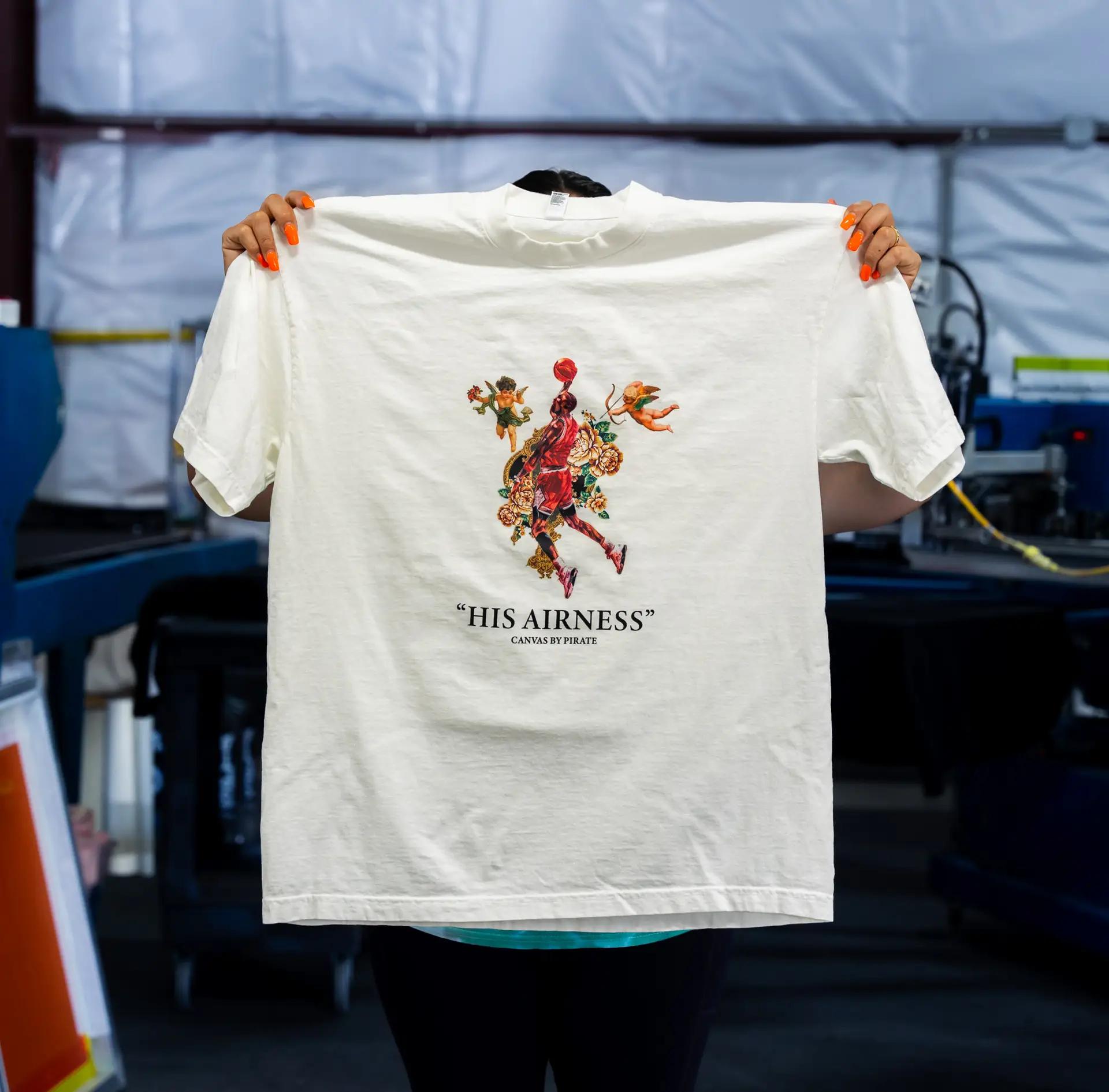
What is Digital Screen Printing and How It Differs from DTF and DTG Printing
The world of custom apparel printing has expanded significantly with advances in technology. If you're exploring options for your brand or project, you've likely come across terms like digital screen printing, DTG (direct-to-garment), and DTF (direct-to-film). While all three produce high-quality results, they work very differently and are suited to different types of projects. Understanding these differences will help you make the right choice for your custom apparel needs.
What Is Digital Screen Printing?
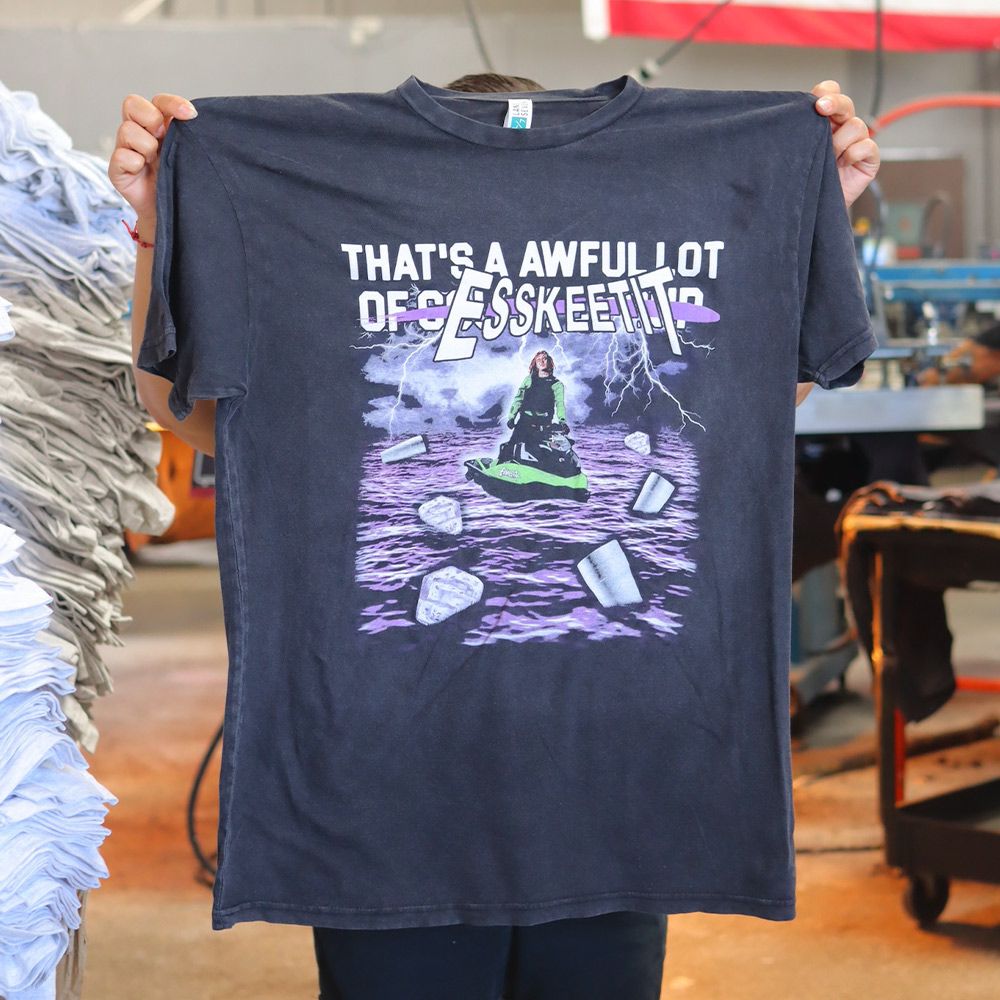
Digital screen printing (DSP) combines the precision of digital technology with the durability and vibrancy of traditional screen printing. Instead of manually creating separate screens for each color in a design, DSP uses digital imaging technology to produce color separations and apply ink through screens with exceptional accuracy. The result is prints that maintain the bold, vibrant colors and thick ink deposit that screen printing is known for, while allowing for more complex designs with more color variation than traditional screen printing can efficiently handle.
DSP uses the same plastisol or water-based inks as traditional screen printing, which means prints are incredibly durable, wash-resistant, and have that classic screen-printed feel. The digital element streamlines the setup process, reduces waste, and makes it cost-effective for medium to large runs with complex, multi-color artwork.
DSP Compared to DTG & DTF
While digital screen printing, DTG, and DTF all produce full-color prints, the methods, costs, and ideal use cases differ significantly.
DTG (direct-to-garment) printing works like an inkjet printer for fabric. The garment is loaded into the printer, and water-based ink is sprayed directly onto the fabric. DTG excels at photographic detail and unlimited color counts, making it ideal for one-off prints, small batches, or designs with complex color gradients. However, DTG prints can feel lighter on fabric, may fade faster over repeated washes compared to screen printing, and per-unit costs remain relatively high even at larger quantities.
DTF (direct-to-film) printing involves printing a design onto a special film, applying an adhesive powder, and then heat-pressing the transfer onto the garment. DTF produces vibrant, detailed prints on virtually any fabric color and type. It's versatile and cost-effective for small to medium runs. However, DTF prints have a different hand feel — the transferred film can feel slightly plasticky or stiff compared to the soft, breathable feel of screen-printed ink that bonds directly with the fabric fibers.
Digital screen printing bridges the gap. It delivers the color complexity and detail approaching DTG, with the durability, hand feel, and vibrancy of traditional screen printing. Per-unit costs decrease significantly at volume, making DSP the most economical choice for medium and large orders. The ink bonds directly to the fabric just like traditional screen printing, resulting in prints that last hundreds of washes without cracking, peeling, or significant fading.
When to Use Digital Screen Printing for Your Apparel
Digital screen printing is the ideal choice when you need vibrant, durable, multi-color prints at scale. It's perfect for streetwear brands running seasonal collections, businesses ordering branded merchandise in bulk, or anyone who wants the premium quality of screen printing with the design flexibility of digital technology.
If you're ordering fewer than 24 pieces with complex designs, DTG or DTF may be more cost-effective. But for runs of 24 units and above where quality, durability, and hand feel matter, digital screen printing is hard to beat.
At Garment Decor, our digital screen printing services combine cutting-edge technology with expert craftsmanship to deliver prints that look incredible and last. Contact our team to discuss your project and find out which printing method is right for your needs.